
What is PDA (pathological demand avoidance)?
May 29, 2026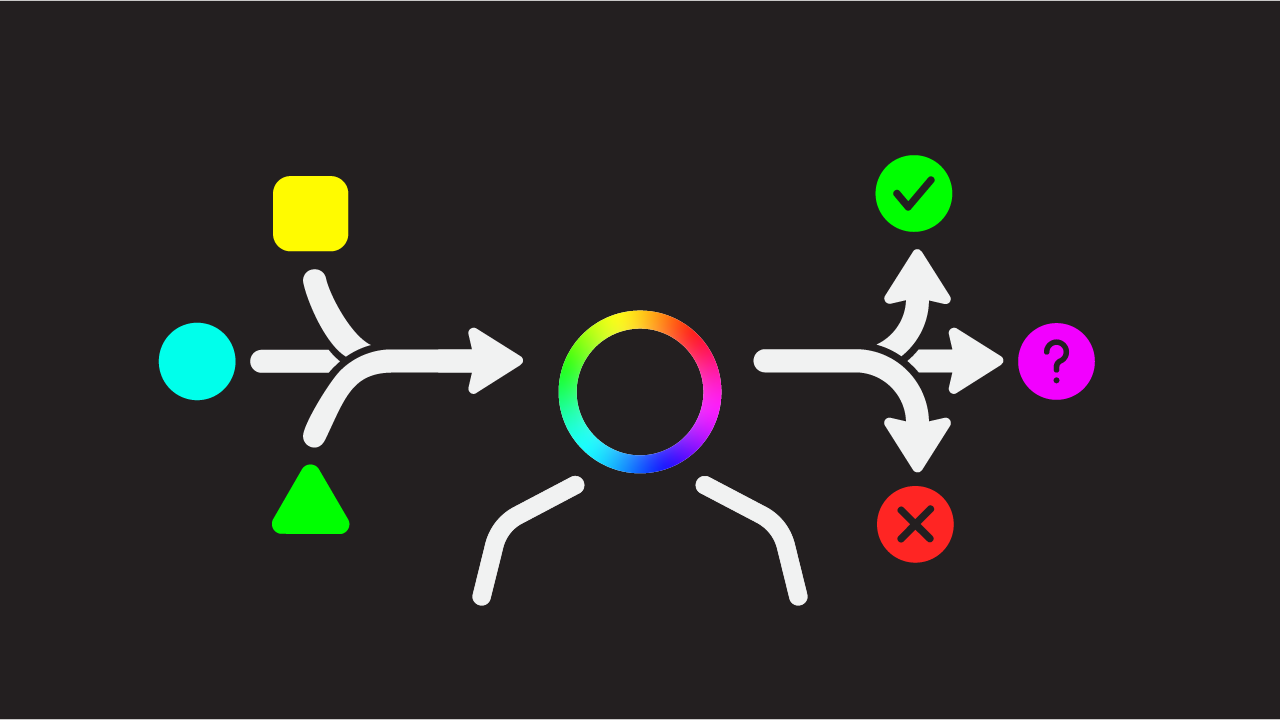
You may have come across the term PDA, or you may be hearing it for the first time.
PDA stands for Pathological Demand Avoidance. It is also sometimes described as a Persistent Drive for Autonomy.
It’s a nuanced and still-evolving area, with ongoing discussion about how it is defined and understood.
At its core, PDA relates to how some people experience and respond to demands in everyday life, often in ways that can be difficult to interpret and understand from the outside.
This article explains what PDA is, and what it can look like in practice.
What is PDA?
PDA is a term used to describe a particular pattern in how someone responds to demands.
The formal term, Pathological Demand Avoidance, is widely used in clinical and research contexts.
However, many people prefer the phrase Persistent Drive for Autonomy.
This reflects a different emphasis.
- Pathological Demand Avoidance highlights the avoidance of demands
- Persistent Drive for Autonomy highlights a strong need to feel in control of one’s actions
Both terms are used to describe the same overall pattern, but they frame it differently.
At its simplest, PDA is about how demands are experienced, and how that experience shapes behaviour.
What counts as a demand?
In this context, a demand is broader than a direct instruction.
Demands can include:
- Being asked to do something
- Being told it is time to do something
- Responding to a message
- Answering a question
- Making a decision
- Meeting an expectation
- Internal pressure (e.g. ‘I should do this now’)
This means demands are part of everyday life, often in ways that are not immediately obvious.
How demands can be experienced
For some people, demands can trigger a strong internal response.
This response is not necessarily linked to how difficult or reasonable the task is.
Instead, it is linked to how the demand is experienced.
This may involve:
- A reduced sense of control
- Increased pressure
- A feeling of being directed or constrained
In some cases, this reaction can feel immediate and difficult to override.
As a result, the person may:
- Delay or avoid starting
- Resist engaging
- Redirect or negotiate
- Withdraw from the situation
From the outside, this can appear inconsistent, particularly when the person may otherwise want or intend to do the task.
What this can look like in everyday life
PDA can show up across a wide range of situations.
For example:
- Someone gets up with the intention of having a shower, but finds themselves unable to do it once it feels like something they have to do
- A child who is happily playing becomes distressed or resistant when asked to brush their teeth or get dressed
- Someone feels hungry, but delays eating because it now feels like a requirement rather than a choice
- A message sits unanswered, even though the person has read it and wants to reply, because responding now feels expected
- Being asked a simple question like ‘what do you want to eat?’ leads to frustration or shutdown, but the same person may decide independently later
- Someone agrees to do something, but when the time comes, they avoid it, distract themselves, or find ways to delay, despite intending to follow through
These responses can vary depending on context, environment and level of pressure.
Why PDA is often misunderstood
Without understanding the underlying experience, behaviours linked to PDA are often interpreted as:
- Lack of motivation
- Avoidance of responsibility
- Defiance or oppositional behaviour
These interpretations focus on what is visible.
This is similar to the way other internal experiences can be misread at work. Masking at work is one example: what appears composed on the surface often involves significant unseen effort.
Interpretations of PDA-linked behaviour often do not account for:
- How the demand is being experienced
- The role of autonomy
- The impact of pressure on response
As a result, responses from others may unintentionally increase pressure, making the situation more difficult.
Not all demand avoidance is the same
People avoid demands for different reasons, and not all demand avoidance reflects the same experience.
For example, it can help to distinguish between:
Everyday avoidance
Avoiding tasks due to fatigue, low motivation or competing priorities.
Context-driven avoidance
Avoidance that increases during periods of stress, uncertainty or overload.
More consistent demand sensitivity
Where a wide range of demands trigger a strong response, regardless of context, often associated with PDA.
This is not a fixed set of categories.
But recognising these differences can help avoid treating all demand avoidance in the same way.
Where PDA fits, and why there is ongoing discussion
PDA is often discussed in relation to autism.
Some approaches describe it as a profile within autism. Others suggest it may be better understood separately.
There is currently no single agreed definition.
What is generally recognised is that PDA relates to:
- Differences in how demands are experienced
- Strong responses linked to autonomy and control
- The impact of pressure on behaviour
This remains an evolving area of understanding.
What helps: reducing pressure and supporting autonomy
When PDA is understood in terms of autonomy and pressure, this can shift how situations are approached.
Approaches that are often more effective include:
- Offering choice rather than direct instruction
- Using collaborative language
- Allowing flexibility where possible
- Reducing unnecessary urgency
- Being mindful of how expectations are communicated
These approaches do not remove expectations.
They aim to make those expectations feel more manageable.
In a workplace context, this is also where reasonable adjustments can play a practical role: small, specific changes that reduce unnecessary pressure and give people more control over how work happens. These approaches sit within the wider picture of building a neuroinclusive workplace, where culture, systems and environments are designed to recognise difference rather than work against it.
Frequently asked questions
Is PDA officially recognised?
PDA is recognised in some clinical and research discussions, but there is ongoing debate about how it should be defined and classified.
Is PDA only linked to autism?
It is often discussed in relation to autism, but there is no full agreement on how it fits or whether it should be considered separately.
Is PDA the same as not wanting to do something?
No. A key distinction is that the response to demands can occur even when the person wants to complete the task.
Can people simply push through it?
In many cases, the response is not a matter of willpower. It is linked to how demands are experienced, which can make it difficult to override.
Final thought
PDA is not simply about avoiding demands.
It is about how demands are experienced.
Understanding that difference makes behaviour that may seem confusing more interpretable, and creates a clearer starting point for responding more effectively.
What next?
If your organisation wants to better understand how different responses to pressure, communication and expectations show up at work, we support leadership teams, HR functions and all colleagues to build practical approaches that reduce barriers and improve how work happens day to day.