

Learning Hub
Practical guides, real stories, and expert thinking on neurodiversity at work


When someone doesn’t speak, it is easy to make assumptions about what else they can or can’t do.
But speech, language, communication and understanding are not the same thing.
Neither are the terms n...
None of us is defined by one part of who we are.
Our experiences are shaped by many things, including our race, gender, sexuality, disability, neurodivergence, socio-economic background, culture and ...
Over the past few years, many organisations have made significant progress in supporting working parents.
Flexible working has become more common. Family-friendly policies have expanded. Conversation...

Meetings are where ideas are shared, decisions are made and work moves forward.
They’re also one of the places where workplace barriers often appear.
Many meetings rely on people thinking quickly, s...
Many people have heard the term ‘learning disability’.
But ask a group of people what it means, and you’ll often get very different answers.
Some people confuse learning disabilities with learning d...

Many people have heard of post-traumatic stress disorder (PTSD).
Far fewer people understand what it actually is.
For some, PTSD brings to mind military veterans returning from combat. For others, i...
Tourette’s Syndrome is often misunderstood.
Many people only recognise the most stereotyped portrayals, usually focused on swearing or visible tics. In reality, Tourette’s is far more varied, nuanced...
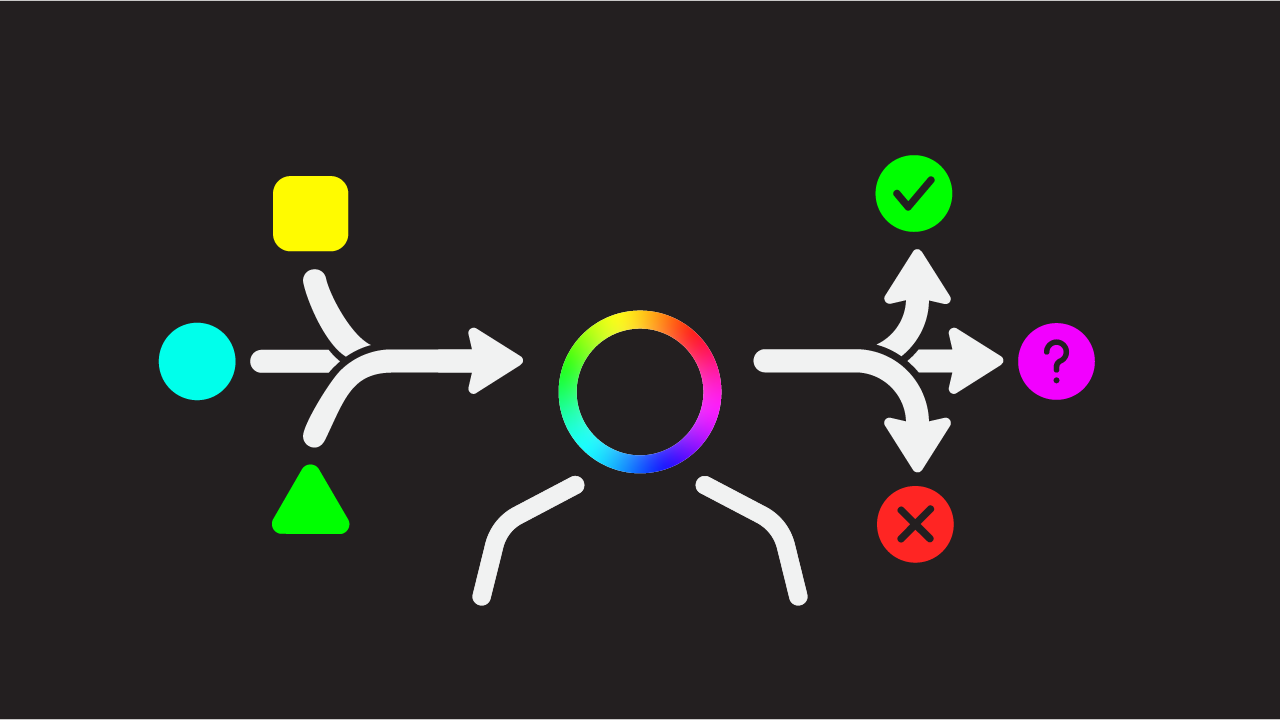
You may have come across the term PDA, or you may be hearing it for the first time.
PDA stands for Pathological Demand Avoidance. It is also sometimes described as a Persistent Drive for Autonomy.
I...

Many organisations are investing in inclusion but still find that day-to-day ways of working don’t change.
That’s where neurodiversity training becomes valuable. Done well, it moves beyond awareness ...

Many organisations are asking the same question: what is neurodiversity, and what does it actually mean for how we work?
Awareness is growing, but translating that into day-to-day practice can feel u...

In many workplaces, speed is seen as a strength.
Quick responses, fast decisions and immediate contributions are often associated with confidence and capability.
But not everyone processes informati...

Many workplaces value professionalism, consistency and 'fitting in.'
But for some people, meeting these expectations requires significant effort behind the scenes.
They may be closely monitoring how...